White Label vs. Turnkey vs. Standalone Poker Software: Which One Is Right for You?

All players who entered the online play queued into a lobby that was once full of players, but now has four names without any players moving. Wait a minute, two and then away to another app, never coming back. Players cannot pick up a blank space for a second time. Right?
This is the decisive moment for poker sites to succeed or fail. The engine can be flawless and the UI can be amazing, but if a new player enters and finds no one there, they’re out. Before you begin comparing software vendors, there is one thing you must do: determine where your players will be on day one.
The terms white label, turnkey, and standalone are synonymous. They are not, and it is for this reason that many operators end up buying the wrong setup.
Two Questions Everyone Mixes Up
There are two questions to ask when choosing poker software, and most comparison articles combine the two.
Question 1:
How Does Your Room Connect Players?
You can be connected to an existing pool, have your own independent pool, or create a pool that can be connected to other pools. This is your “liquidity model”. As-Nas calls it Poker Skin, Poker Standalone, and Poker Network.
Question 2:
What Percentage of the Build Is Already Finished?
You can find a fully assembled product you can launch as is, or something that you form with a heavier hand. This is the packaging question, and “turnkey” is where it fits.

Consider it choosing a game. Single-player, co-op, and MMO are a different choice than between the base game versus the deluxe version with everything unlocked. You make both decisions simultaneously; they don’t cancel each other out. This piece takes them in turn, starting from the left.
Poker Skin: Spawn Into a Full Lobby
A poker skin lets you launch a branded poker room on an existing network with an established player pool.
A skin is a brand that sits on a known network which is already active. You play a significant part in the front of house:
- Your logo and colours
- Your promotions
- Your customer support
Your players will be seated at the same tables as the other players in that network.
Anyone who ever took part in an already-popular server will understand the appeal. There’s a live player pool from the start. Someone signs up, opens the lobby, and cash games and tournaments are already in place at 2 a.m. If you are building a new room, it is the first impression that counts.
It’s also a well-tested model, rather than a hack. Many networks, such as iPoker and GGNetwork, are based around multiple brands that share the same player base. The player seated next to you may also be from a different brand that you are not aware of.
The downside is that you don’t own the player pool. Although some of the rules follow the network design, your rake structure and table availability are determined by the network. You have a lease, not a contract with your landlord.
Pick the skin if:
- You have no existing players to bring into the game.
- You want the fastest path to a productive poker room.
- You want to focus on marketing and player acquisition rather than filling tables from scratch.
Poker Standalone: Your Server, Your Rules
A standalone poker room is a private version of the game. You have the player pool, house rules, and rake system all to yourself.
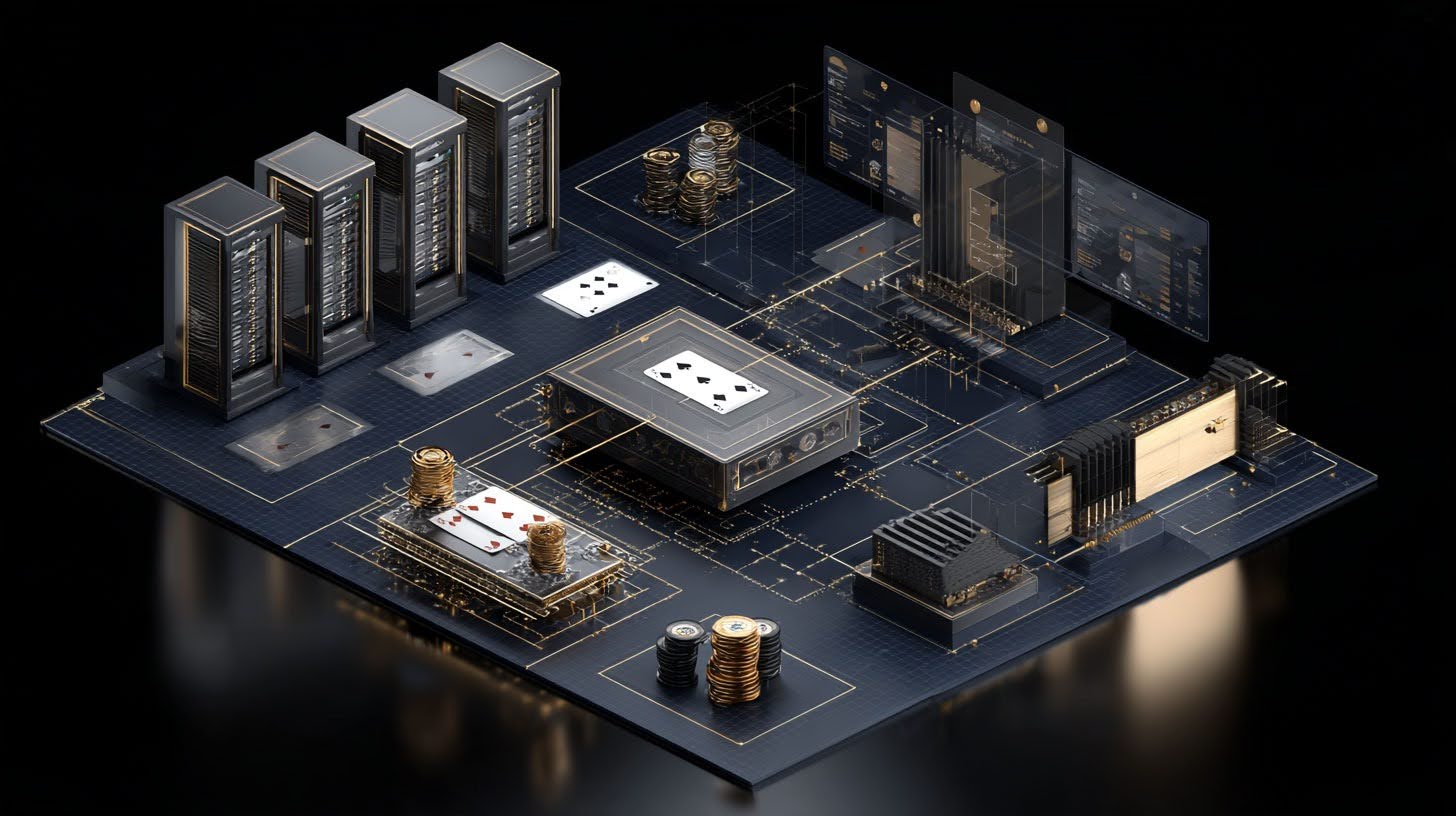
If you’ve been operating your own game server, you are already familiar with the appeal. There are no other patch notes that will change your game overnight. You decide:
- When and which tournaments are run
- The structure of the rake
- Which poker variants are available in the lobby
- The rules of the VIP ladder and promotions
The other lesson that every private server owner learns is that there is no such thing as full freedom without players. With no shared liquidity, it’s all on you to handle affiliates, streamers, and community building. Winamax’s handling of marketing and its strong local identity have made it a good example of a brand developing and maintaining its own player pool.
For this reason, a standalone poker room is best suited to operators who already have an audience, such as a betting service with a solid customer base, a streaming service with loyal subscribers, or a regional operator with existing customers.
If you already have traffic or a reliable way to acquire players, a standalone model gives you full control over the money flow and player experience.
Poker Network: Becoming the Host Everyone Else Plugs Into
This is the final model. You don’t have to rely on someone else’s network because you create the network yourself. Other operators come to you and operate their own brands as skins over your infrastructure.
If the skin model means running a branded room on a busy server and standalone means running your own private room, a poker network means operating the platform that other brands use. Your revenue no longer relies on the growth of one brand but can scale with each new brand that joins the network.
The deeper your liquidity becomes, the more attractive the network becomes to the next operator. This creates a growth loop. It is one reason why the largest poker networks in the industry can be so difficult to compete with.
It’s also the most difficult model by a long shot. You are no longer running just one poker room. You have infrastructure to operate, partners to support, a shared player pool to maintain, and customers from multiple skins with expectations. Reliability becomes a must-have. If a network fails, every brand operating on that network can be affected.
If you want to go bigger than just one brand, have the capital and appetite for long-term infrastructure, and have the mindset of a platform operator, then a poker network may be the right path.
Where Turnkey Fits: It’s Not a Fourth Mode
Many people think of “turnkey” as another option alongside skin, standalone, and network. It isn’t. The source of your players is not part of the turnkey model. Turnkey describes how much of the product is already assembled when it is delivered to you.

A turnkey poker solution is delivered preconfigured and ready to launch. It may include:
- Game engine
- Lobby
- Cashier
- Back office
You add your branding and publish. At the other end of the spectrum is a more hands-on arrangement where you or your team handle more of the assembly yourself.
Think of it like buying a complete game rather than buying the base game and adding components later. Turnkey can work with any liquidity model. A turnkey skin, turnkey standalone poker room, or turnkey network foundation can all make sense.
As-Nas offers its own solution as ready to go, but “turnkey” is a marketing term that can be interpreted in different ways. When comparing providers, ask each one:
- What modules come with the solution?
- What integrations, including payments and KYC, are already included?
- What preparations do you still need to make?
- What is included in the launch package, and what costs extra?
Find out in writing what “ready” means before signing.
How to Pick Your Poker Software Model
Cut through the noise with three questions, in this order.
- Do you already have players?
If you do not have an audience, your biggest problem is the lobby. A skin solves that problem directly. An audience of your own, whether that is a community, customer base, or marketing channel, opens the door to a standalone poker room. If you are somewhere in between, be honest about how many players you can actually bring, not how many players you hope to attract.
- How much operational responsibility do you want?
When you work with a skin, the network takes much of the heavy lifting off your plate. With a standalone room, you will manage player-pool health, traffic, and the game economy. Networks also require partner management.
If you have a small team and just want to launch quickly and learn, don’t take on more responsibility than necessary. That’s how operators burn out.
- What does the long game look like?
If you prefer to build one strong brand, a skin or standalone model may be enough. If you see yourself as the infrastructure that other operators need to use, start planning toward a network before you get there, even if that goal is still some way off.
And there is no rule that you have to stay with one model forever. Many operators begin with a skin to establish their brand and test what players want. Then they move to a standalone solution when they have the audience needed to sustain their own player pool.
Starting small is not a compromise. It’s often a smart first step.
Once you have figured out the liquidity question, move on to the packaging question. If some portion of the build should be delivered as a finished product, insist that the vendor show you exactly what “finished” means.
Ready to Talk It Through?
Every operator’s starting point is different, and the right setup depends on your audience, your team, and how far you want to take this. If you’re still weighing the options, reach out to the As-Nas team for a consultation. Bring your numbers and goals, and you’ll have a clearer idea of which poker software model fits your business.




 English
 Hebrew
 Russian
 Korean
 Mongolian
 Turkish
 Italian